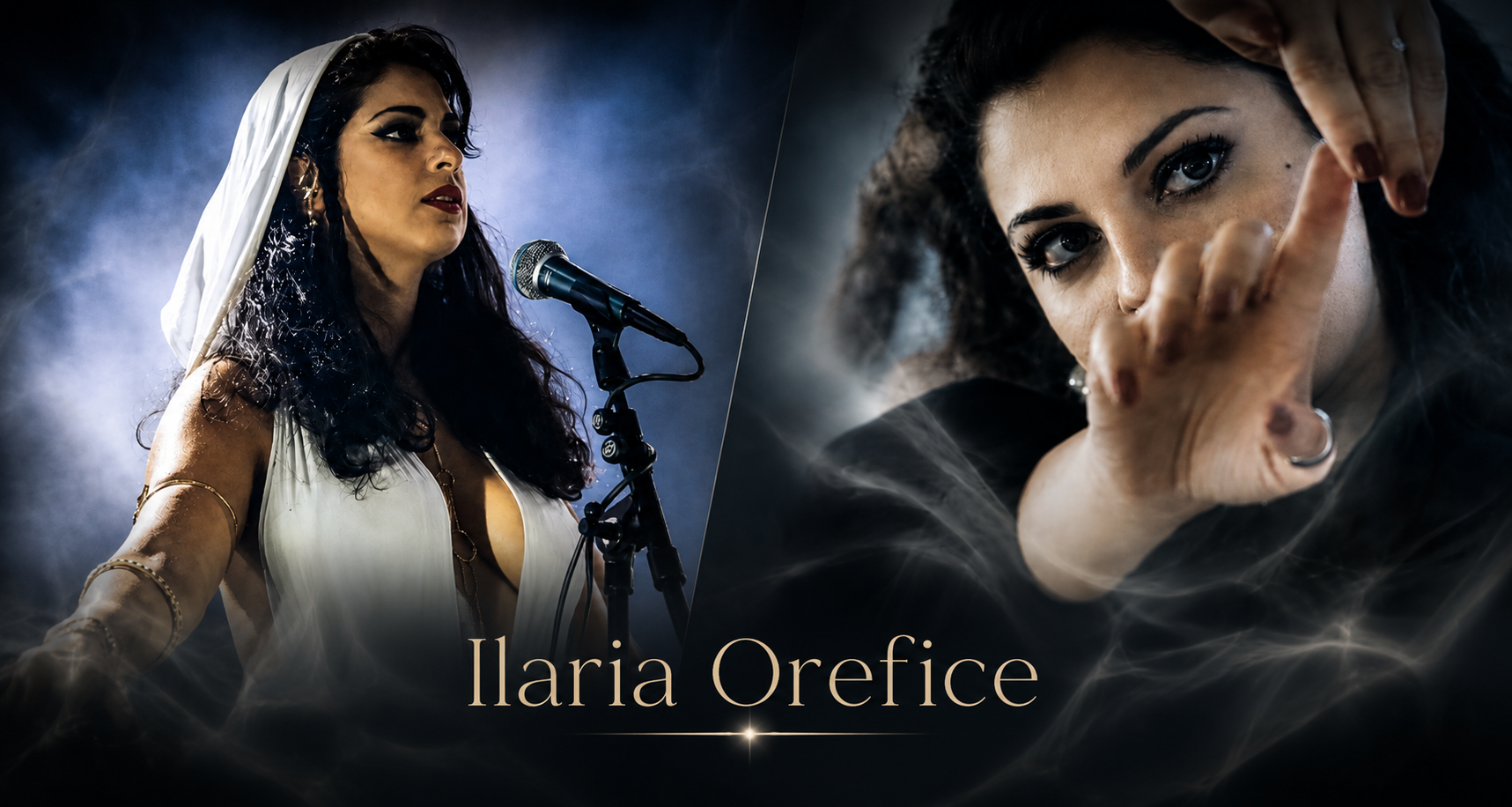
For Ilaria Orefice, the voice is far more than a musical instrument—it is a bridge between cultures, histories, and human experiences.
Born in Sardinia, Orefice’s journey has taken her from the island’s ancient vocal traditions to the overtone and throat-singing practices of Mongolia and Tuva, combining performance, teaching, and scientific research. Through her work, she explores how the voice connects people across languages, borders, and generations.
In this interview, she reflects on her roots, her rediscovery of Canto a Tenore, and her mission to share Sardinia’s rich cultural heritage with the world while uncovering the universal language hidden within the human voice.
I like to imagine that some of the vocal traditions we know today may have very ancient roots.

When someone asks you, “Who are you and where are you from?”, how do you like to introduce yourself beyond the usual name and place of birth?
I am a curious person who has chosen the voice as a tool to understand the world. I was born in Sardinia and I carry with me the cultural heritage of my land, but my journey has taught me that every tradition holds a part of the same human story. Through singing and research, I encounter different cultures and continuously discover new connections between people. That is why today I feel both deeply Sardinian and deeply a citizen of the world.
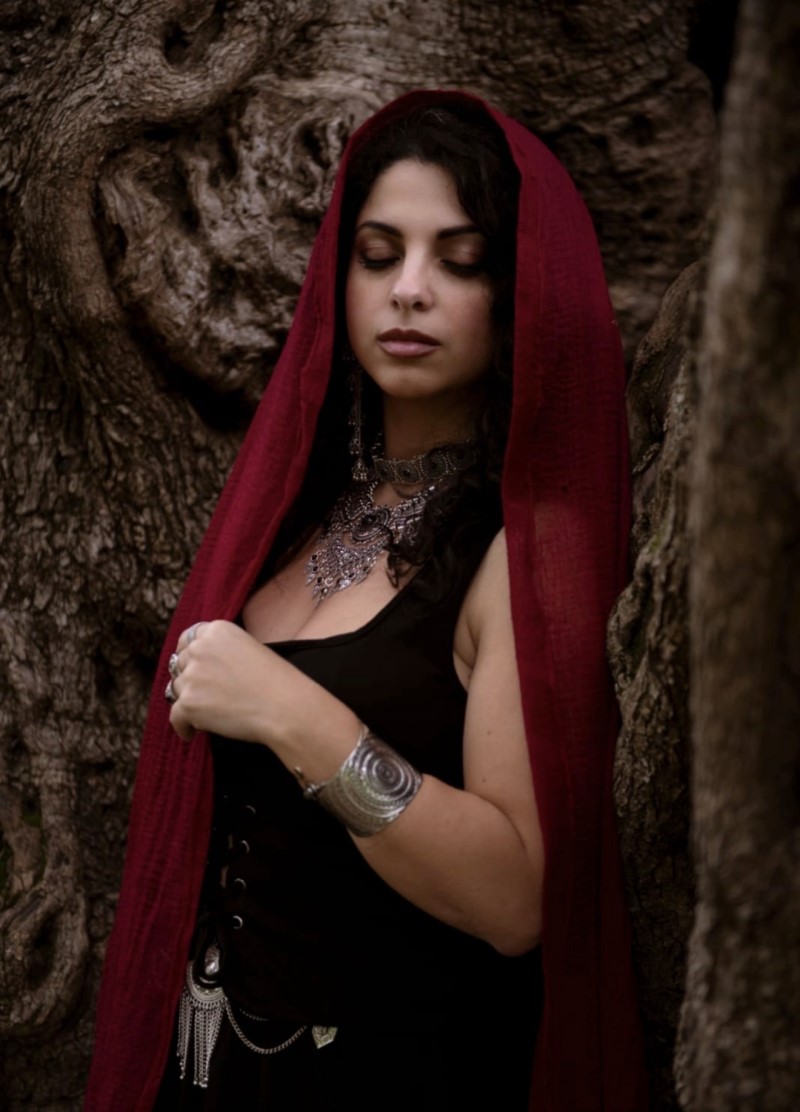
Growing up in Sardinia, what sounds, places, or daily rituals most shaped your relationship with the voice and singing?
Growing up in Sardinia in the 1990s meant being immersed in the island’s musical culture almost without realizing it. At village festivals there were still stalls selling cassette tapes of folk groups, my neighbor listened to “Canto a Chiterra” at full volume every Sunday, and in our home the television was almost always tuned to Sardinian channels. My father was always deeply connected to our culture, and he passed that connection on to me.
He often took me to work with him, and sometimes we would pass through villages in Barbagia where it was still possible to encounter “tenor” singers in everyday life. I remember my first contact with those voices as very intense: I felt a deep and hard-to-explain emotion, almost like an ancestral call. I got goosebumps. At the same time, I was intimidated. They were strong-charactered men who, to my child’s eyes, appeared mysterious and almost stern.
There was also a particular cultural context. In Campidano, where I grew up, there was a strong push toward a certain idea of modernity and cultural emancipation. For this reason, the traditions of Barbagia and “tenor” singers were often perceived as something ancient, tied to the pastoral world and distant from contemporary reality.
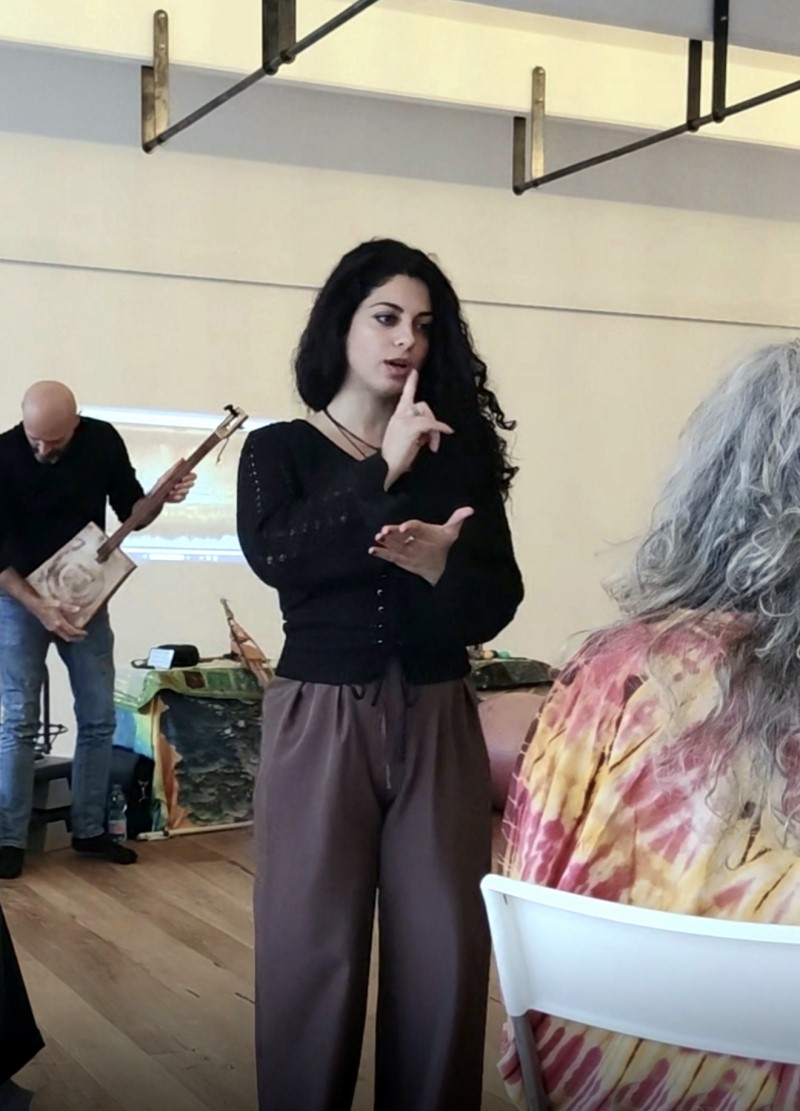
Do you remember a specific moment when you realized your voice could become not only a talent but also your life’s work and field of research?
I had two decisive moments.
The first was in 2011, during a personal crisis. I left my job and devoted myself to meditation and inner research. One day, in silence, I clearly perceived a message: “You must teach singing.” From that moment, I began training as a teacher.
The second was in 2016, when I discovered overtone singing and throat singing through the vocal traditions of Mongolia and Tuva.
This research led me to international collaborations and to connect with artists and musicians from the Northern European dark folk scene.
Paradoxically, it was precisely this path far from Sardinia that brought me back to my roots, until I rediscovered in Canto a Tenore a fundamental part of my identity.
You are known both as a singer and a vocal researcher: what does “doing research” concretely mean in your daily life with the voice?
Many people call themselves researchers because they explore a discipline. In my case, the term also has a literal and scientific meaning. After meeting my phoniatrician, we decided to create a research team to study and scientifically demonstrate how certain vocal techniques work at an anatomical level.
As a singing teacher, I felt responsible for transmitting these techniques in a safe, understandable, and verifiable way, especially in a Western context. For this reason, we underwent tests such as dynamic MRI and laryngostroboscopy while performing vocal techniques, involving other singers as study subjects.
The result was very important for us: the research was published and recognized by international scientific sources such as PubMed and the Journal of Voice. Today my work constantly moves between art and science.
The research results also had a concrete impact on my teaching activity. They allowed me to teach these techniques in international contexts, including the Conservatory of Krakow, and to work with students from many different countries, both in person and online.
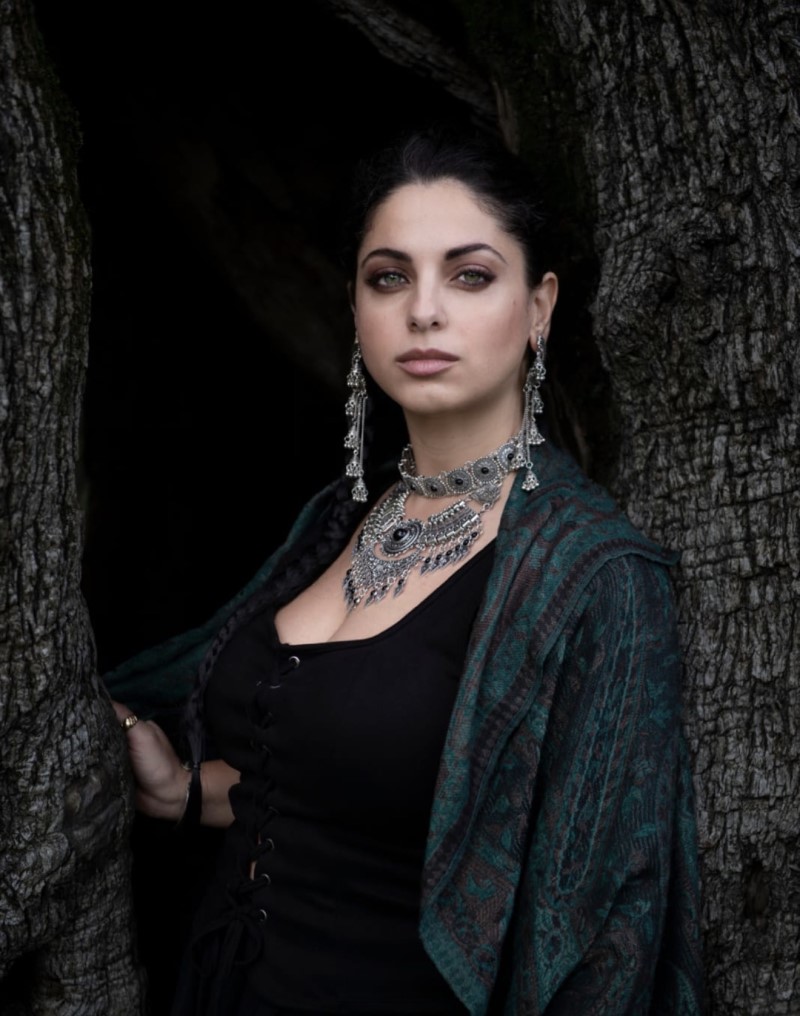
Canto a Tenore is often described as an ancient, almost mysterious sound. How did you first encounter it and what pushed you to explore it through your own voice?
After my first encounter with Canto a Tenor in childhood, I left it at the margins of my path for many years.
Paradoxically, it was my journey toward other cultures that brought me back to my roots. While teaching throat singing and overtone singing, I met many foreign singers and ethnomusicologists who spoke of Canto a Tenor as a unique musical treasure. Hearing people from different cultures describe with such admiration something that had always been familiar to me pushed me to see it with new eyes.
At that point, I understood that I could help make this tradition known beyond Sardinia, building a bridge between different cultures.
There was also another element that fascinated me. The two guttural voices of “Canto a Tenore”, “bassu” and “contra”, use the false vocal cords. In the vocal traditions of Mongolia and Tuva, there are surprisingly similar techniques called “Kargyraa” and “Korekteer”. It seemed impossible to study those distant traditions without also deepening my knowledge of those from my own land. Thus, my journey toward Asia became, in a sense, a journey back to Sardinia.

Traditionally, Canto a Tenor has been a male practice. What did it mean for you, as a woman, to enter this space and even interpret vocal roles such as Bassu?
An episode from my adolescence comes to mind. My grandfather, a very strict person, once made a remark that provoked me. I had two choices: remain silent or respond. I chose to speak, even with some fear. To my surprise, he did not get angry—he was amused.
In some ways, my relationship with Canto a Tenore was similar. I deeply felt the desire to explore this tradition and live it through my voice, but I feared the reaction of those who considered it an exclusively male space.
For many years I observed, studied, and listened. Then I found the courage to take a step forward. After seven years of work and reflection, I published the first video in which my friends and I performed “Canto a Tenore”.
I did not want to challenge a tradition. I wanted to engage in dialogue with it. I wanted to show that respect for cultural heritage can coexist with new expressive possibilities. And the most beautiful thing was discovering that many people from that world welcomed the project with curiosity and openness.
You work both as a teacher and a performer. What would you like every new student to understand about the power and responsibility of using their voice in this way?
I would like every student to understand that the voice is much more than a musical instrument. It is one of the most authentic expressions of our identity and, at the same time, an extraordinary tool for relating to the world.
In my journey, the voice has been a guide. It has led me to explore distant cultures, study vocal traditions from Central Asia, collaborate with researchers and doctors to understand their anatomical mechanisms, and ultimately rediscover my own roots in Sardinia.
Over the years, I have been fortunate to work with students from very different cultures. Today many of my students attend lessons online from other countries, and this allows me to observe how the voice can create authentic connections even between people who do not share the same language or cultural context.
For this reason, I teach my students that every vocal technique is much more than a set of sounds: it is a gateway to a story, a culture, and a worldview.
I believe the power of the voice lies in its ability to create connections. A voice can convey emotions, build communities, preserve traditions, and create dialogue between people who speak different languages and live thousands of miles apart.
But precisely for this reason, there is also responsibility. When we learn a traditional technique, we are not simply acquiring a new skill. We are coming into contact with a human heritage that deserves respect, study, and awareness.
I would like every student to cultivate curiosity to explore and the humility to listen. Because the voice is not only meant to be heard. Sometimes it is meant above all to learn how to listen. And that is where true research begins.
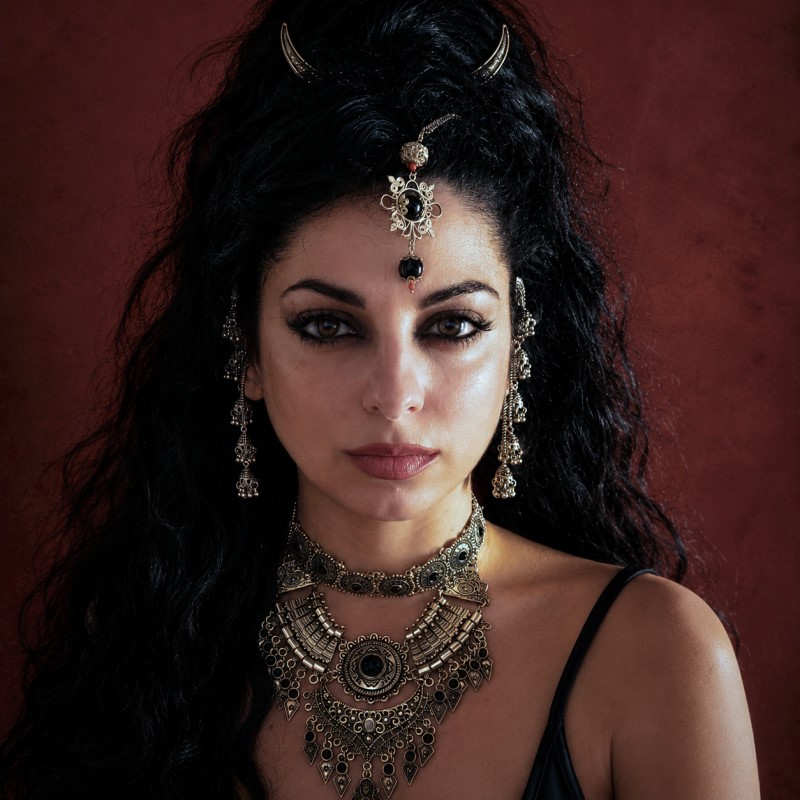
Many travelers encounter Canto a Tenore for the first time as visitors to Sardinia. What is one thing you would like them to know before listening, so they can approach this tradition with respect and awareness?
Abroad, people are often fascinated above all by the sound and timbre of Canto a Tenore. It is understandable—it is a unique sonic experience. But as a Sardinian, I would invite listeners to go beyond the sound and also approach the words.
For us, the poetic content is fundamental. Behind every song there are stories, emotions, memory, and worldviews. For this reason, I would recommend that those visiting Sardinia ask about the meaning of what they are hearing, let themselves be told the stories contained in those verses, and approach this tradition with curiosity and respect.
Sardinians are reserved people and sometimes wary. First we observe. But when we sense genuine interest and respect, we know how to open up with extraordinary generosity—sometimes even disarming.
Working abroad has made me realize even more how hospitality is part of our identity. Care for others, attention to their needs, and the desire to make them feel welcome are deeply rooted values in Sardinian culture. I believe the best way to encounter “Canto a Tenore” is precisely this: like a guest entering a home with respect and a desire to learn.
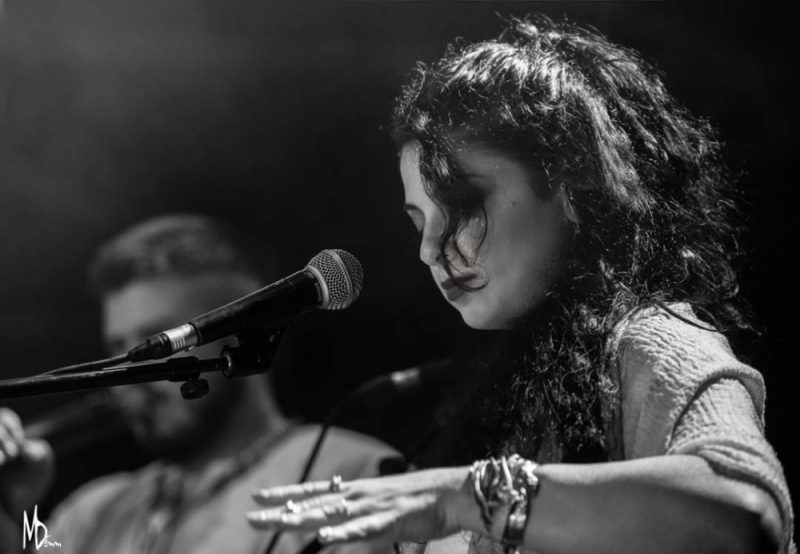
How have your travels, collaborations, and connections beyond Sardinia changed the way you see your culture and your role within it?
Traveling has made me understand how extraordinary the cultural heritage we have inherited in Sardinia truly is. When you live in a place, you often take many things for granted. Meeting people from all over the world has taught me to look at my land with new eyes.
Many of the people I have met through workshops, concerts, and teaching activities abroad have approached Sardinia precisely through “Canto a Tenore” and traditional vocal techniques. This made me realize that my role is not only that of performer or teacher, but also that of a cultural bridge between Sardinia and the rest of the world.
Today I feel like a custodian of Sardinia’s culture and memory—an ancient memory. This island preserves traces of civilizations rooted in thousands of years of history.
I think the story of Sardinia deserves to be told much more often. When much of Europe still lived in very simple settlements, here the Nuraghi—monumental towers that still defy time—were being built. There were trade networks, extraordinary engineering skills, and a complex and refined culture.
I like to imagine that some of the vocal traditions we know today may have very ancient roots. I like to imagine men and women singing together, priestesses and communities using the voice as a tool of connection, memory, and identity.
I do not know whether my task is to teach the world something about Sardinia. But I certainly feel the responsibility and the privilege of telling its story.
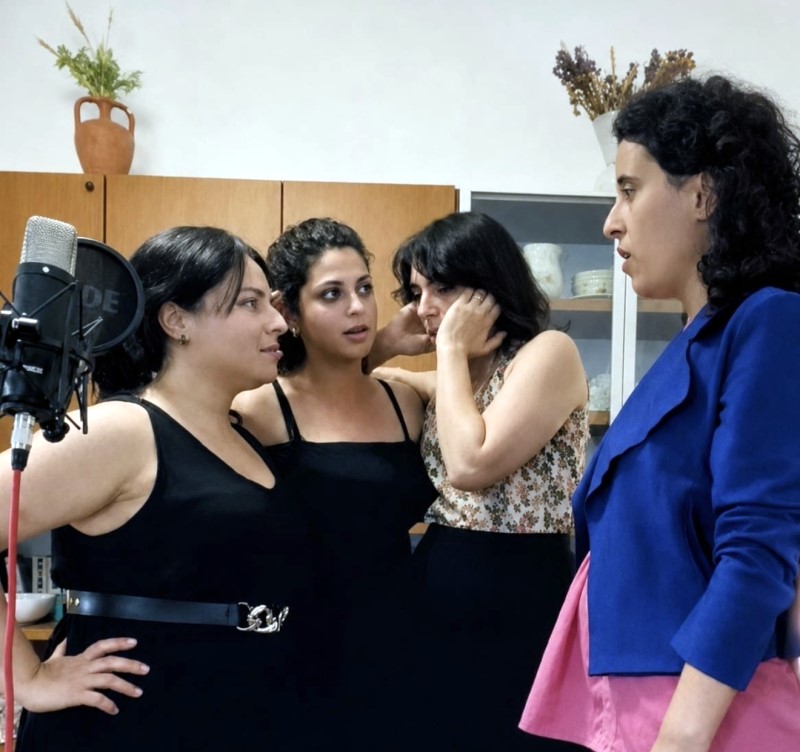
Your work spans overtone singing, diphenic singing, throat singing, and traditional Sardinian forms. What inner landscape are you exploring when you bring these different vocal worlds together?
The more I study different vocal traditions, the more I realize that beneath the differences there is a common language. When I bring together overtone singing, throat singing, and Sardinian traditions, I am not trying to mix different cultures, but to listen to what they share.
I am interested in exploring that point where different identities meet without losing their uniqueness. Each technique expresses a particular relationship between human beings, the body, nature, and community. When I practice them, I feel as though I am traveling across an invisible geography that connects distant peoples through sound.
Ultimately, I am exploring a very simple question: how many different forms can the human voice take, and how many stories can it tell without the need for translation? Every new technique I study takes me both farther away and closer to myself.
Is there a performance, ceremony, or recording session you often return to in your mind when you need to remember why you do this work? What happened that day?
I have been fortunate to experience wonderful moments, both as a teacher and as a singer. I could mention prestigious events, concerts, conferences, or special encounters.
And yet, if I am honest, what truly reminds me why I do this work is not a single event.
It is the feeling I have every time I board a plane to return home after an intense experience. I always feel richer, fuller, more aware of having learned something new about people and the world.
And the same feeling returns when a student leaves the room with a smile, surprised by what they were able to do with their voice. In those moments, I remember that my work is not only about singing. It is about transformation, discovery, and the possibility of helping someone express a part of themselves they may not have known before.
If we were to meet again in ten years, what story would you like to be able to tell about Canto a Tenore, Sardinia, and your personal journey through the voice?
I hope to be able to tell you about new albums, new journeys, and new collaborations born through the voice.
But above all, I hope to be able to say that Canto a Tenore, Sardinian culture, and the ancient riches preserved by this island are known and appreciated around the world as they deserve.
If in ten years even a small part of the people I will have met along the way have discovered Sardinia through its music, its history, and its humanity, I will feel that I have contributed, in my own small way, to building a bridge between my land and the rest of the world.